
Why Malta Should Be On Every Australian Traveller's Radar
When Australians start planning a European holiday, the conversation usually begins with Italy, France, Greece or Spain.
Yet sitting quietly in the heart of the Mediterranean is a destination that consistently exceeds expectations and leaves visitors wondering why they hadn't discovered it sooner.
That destination is Malta.
A small archipelago in the middle of the Mediterranean that somehow manages to fly under the radar of many Australian travellers despite offering one of the richest cultural experiences in Europe.
Perhaps that's part of its appeal.
I was born in Malta but have spent most of my life in Australia. Over the years I've returned countless times, and what continues to surprise me isn't what Malta has to offer—it's how often people underestimate it.
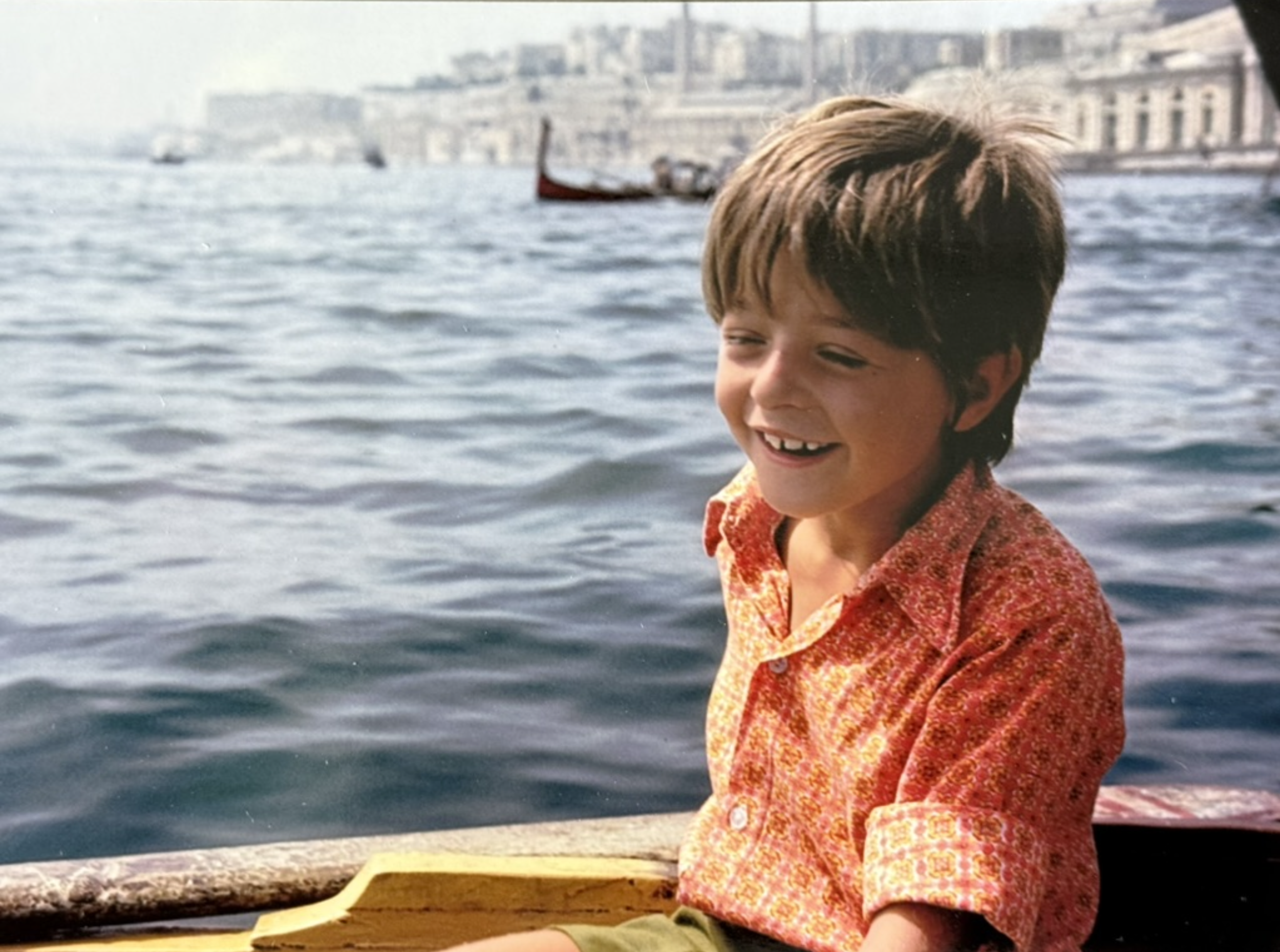
Yep, that’s me on a wooden dghajsa in Malta's Grand Harbour, many years ago. A small island, a big history and the place I still think of as home.
The number of times I've met travellers who tell me they're spending three days in Malta is remarkable. Others arrive on a Mediterranean cruise, spend a few hours wandering through Valletta and leave convinced they've seen the island.
It's a little like visiting Sydney, walking around Circular Quay for an afternoon and claiming you've seen Australia.
Malta is a place that reveals itself slowly.
Yes, Valletta deserves every bit of attention it receives. Its honey-coloured streets, magnificent harbour views and extraordinary history make it one of Europe's most beautiful small capitals.

This is the capital Valletta built after the Great Seige of 1565
But beyond Valletta lies another Malta.
The quieter rhythms of Gozo. Fishing villages where colourful boats still bob in the harbour. Ancient temples that predate the pyramids. Cliff-top walks overlooking impossibly blue water. Medieval cities, hidden chapels and family-run restaurants that seem unchanged by time.
What makes Malta remarkable is not any single attraction. It's the layers.
Few places have experienced as many influences over such a long period. Phoenicians, Romans, Arabs, Normans, Knights of St John, French and British have all left their mark. You see it in the architecture, hear it in the language and taste it in the food.
And the food tells perhaps the most fascinating story of all.
Many Australians will recognise one of Malta's favourite sons, Shane Delia. Through his SBS series, Shane Delia's Malta, he beautifully captures something visitors quickly discover for themselves: Maltese food is a reflection of the island's history.
Every civilisation that arrived on Malta's shores left something behind.
The result is a cuisine that feels familiar yet distinct. There are influences from Sicily, North Africa, the Middle East and mainland Europe, yet somehow it remains uniquely Maltese.
Australians are often pleasantly surprised by the standard of food on the island. They arrive expecting beautiful scenery and history, but leave talking about long lunches, local wines, fresh seafood and meals shared around family tables.
Perhaps that's because food in Malta is still deeply connected to people and place.
It isn't simply something to consume. It's part of the culture.
For Australians, Malta also carries a deeper connection.
During the Gallipoli campaign and throughout the First World War, thousands of wounded Australian and New Zealand soldiers were transported to Malta for treatment and recovery. Known as "The Nurse of the Mediterranean", the island played an important role in caring for servicemen far from home.
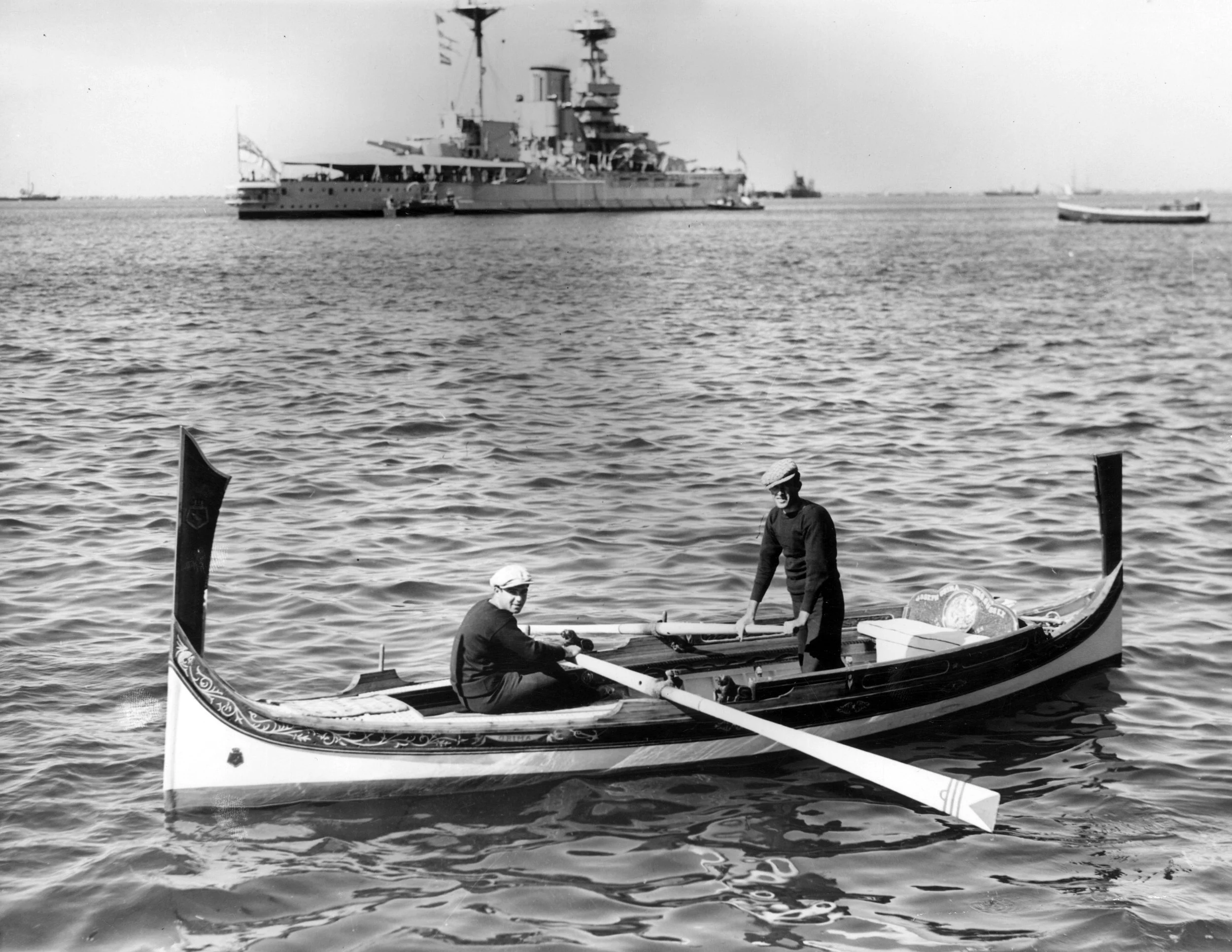
Malta's Grand Harbour has witnessed centuries of history, including moments that would forever link the island with Australia and New Zealand as a place of refuge and recovery during times of war.
Later, thousands of Maltese migrants would make Australia their home, helping shape communities across Melbourne, Sydney, Adelaide and Perth.
Today, that connection remains surprisingly strong.
Perhaps that's why Australians often feel comfortable in Malta almost immediately. English is widely spoken. The pace is relaxed. The people are welcoming. There is a familiarity that is difficult to explain until you've experienced it yourself.
Yet Malta never feels predictable.
That's the beauty of it.
No matter how many times I return, I always find something I hadn't noticed before. A new conversation. A hidden laneway. A family recipe. A story buried beneath centuries of history.
For such a small country, Malta has an extraordinary ability to keep revealing itself.
And perhaps that's why so many people who visit once find themselves returning.
Not because they missed something.
But because they realise there was always more to discover.
About the Author
Nicholas Desira is a Melbourne-based creative, traveller and storyteller with Maltese heritage. Born in Malta and raised in Australia, he has spent decades exploring the Mediterranean and maintains a deep connection to the islands of Malta and Gozo. He is one of the founders of Desire To Travel, where he curates immersive travel experiences that connect people with local culture, food and history. His writing focuses on culture, food, history and the experiences that make travel meaningful.
